
Why Prepare a Roof for Winter in Jamesville, NY?
Winter in Jamesville, NY means heavy snow, ice, and fluctuating temperatures. Roofs experience some of the toughest seasonal stress in this region. Getting your roof ready helps prevent leaks, costly water intrusion, ice dams, and gradual structural damage that can build up over many winters. Residents often ask if winter prep is really necessary—given the area’s snowfalls and freeze-thaw cycles, even newer roofs benefit from a yearly checkup.
What Steps Should Residents Take Before the First Snow?
Start with a visual inspection as early as late fall. Even small issues can worsen rapidly once the snow arrives. Look for:
- Missing, loose, or curling shingles
- Exposed nail heads
- Accumulations of leaves or pine needles, especially in roof valleys
Clear debris by hand or with a leaf blower on a dry day. Never use high-pressure washers, as these can strip away granules from shingles. If the roof is steep or difficult to access, address what you safely can from the ground, or use binoculars for a closer look.
Are Gutters and Downspouts Really That Important?
Gutters and downspouts direct water away from your roof and foundation year-round. In winter, blockages can lead to water backing up and freezing at the roof’s edge—often the first step toward ice dam formation in the community.
- Remove all leaves and sticks from gutters before the first freeze.
- Check that downspouts flow freely and aren’t draining directly onto walkways or driveways where ice buildup is a hazard.
For most area homes, once trees have dropped their leaves in late autumn, that’s the right time for this step. Residents sometimes wait until snow is imminent, but by then, frozen debris can become a stubborn problem.
What Is an Ice Dam and How Can It Be Prevented?
An ice dam is a ridge of ice that forms at the roof’s edge, keeping melting snow from draining off. Water can then seep under shingles and into ceilings and walls. These are a frequent culprit behind mid-winter leaks in Jamesville.
Prevention focuses on both heat loss and drainage:
- Ensure attic insulation is even and sufficient to keep heated air out of the attic space.
- Seal attic hatches, plumbing vents, and any ceiling penetrations that let warm air escape upward.
- Make sure ventilation openings (soffit and ridge vents) are unobstructed, allowing cold air to circulate and minimizing freeze/thaw cycles.
A common misconception is that heat cables are always the answer. While they have a place for persistent trouble spots, the root cause is usually insulation or ventilation—address these before considering electrical solutions.
How Should Residents Handle Small Repairs and Sealing?
Addressing minor shingle repairs and sealing exposed fasteners helps keep moisture out. Cold, wet conditions make these tasks harder, so aim to complete repairs before daily lows drop below freezing. Use roofing sealant rated for low temperatures if you must work late in the season.
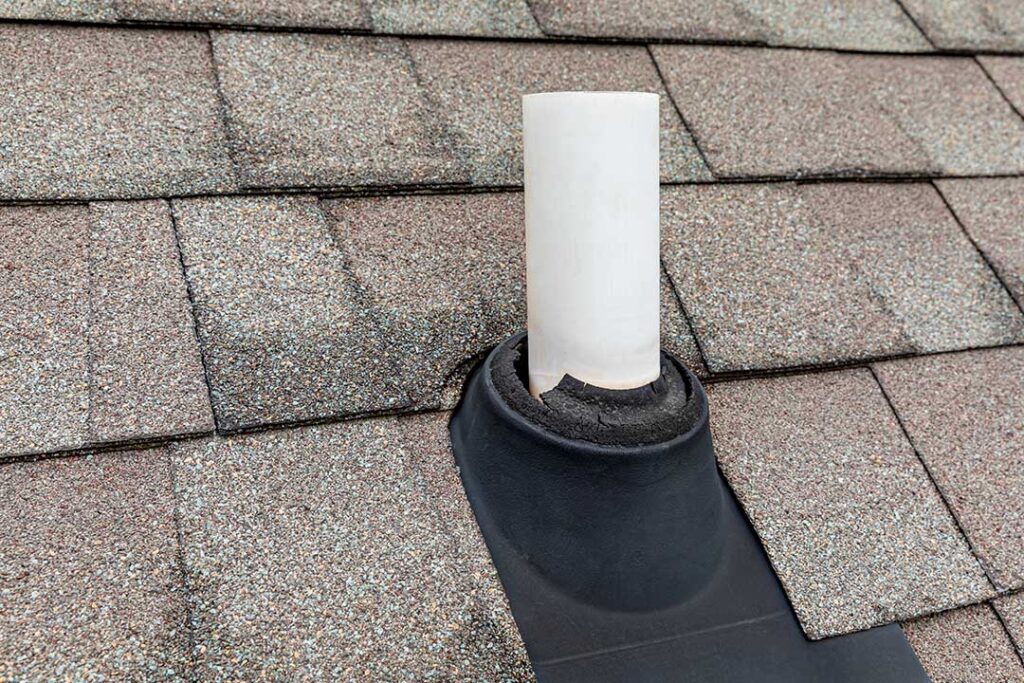
If flashing (the metal sealing around chimneys, skylights, or vent pipes) appears rusted, bent, or loose, re-secure it or replace segments as needed. Proper flashing prevents one of the most common winter leak points in older homes.
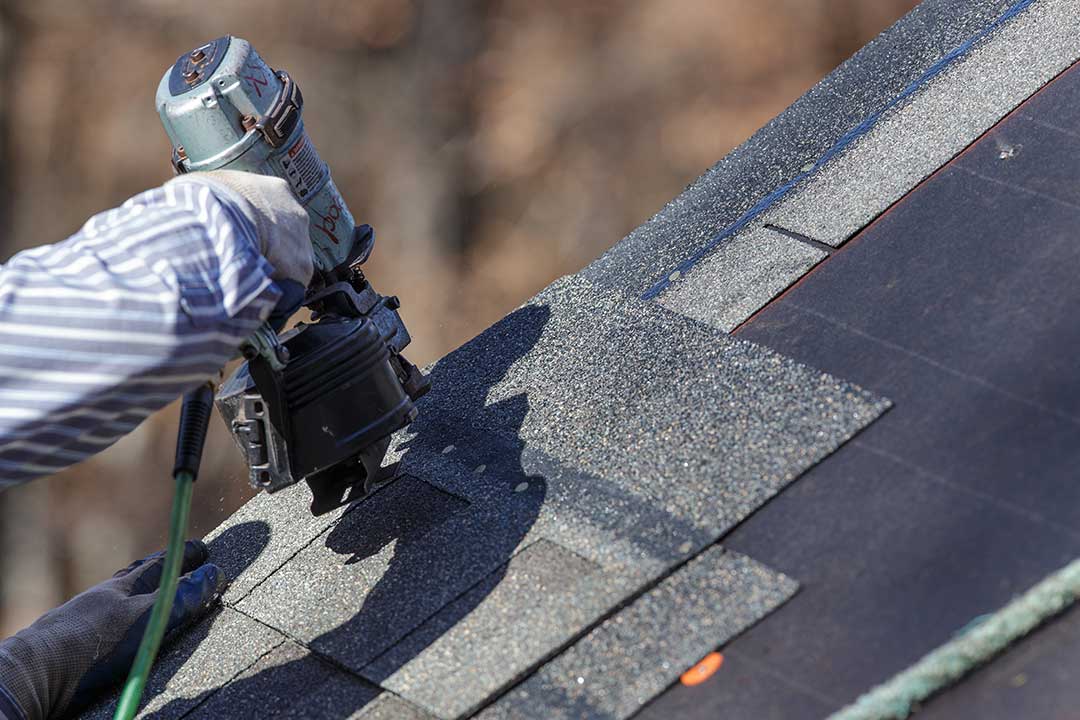
It’s safe for most residents to tackle simple jobs like replacing a few shingles or re-caulking—but only if roof access and weather allow for secure footing.
Is Unseen Roof Damage a Problem in Jamesville’s Climate?
Hidden roof problems, especially on homes shaded by mature trees, are easy to miss. Moss, algae, or lichen growth may look harmless, but it traps moisture and can exacerbate freeze-thaw damage. Use a soft-bristled brush to gently loosen buildup, avoiding harsh scrubbing that might knock off protective granules.
If you hear unexplained “popping” or dripping in the attic after a deep freeze, check for signs of minor leaks or condensation. This often means heat is escaping into the attic or that ice dams are already starting to form. Peeling paint, water stains, or musty odors are further clues a roof is letting moisture inside.
How Can Snow and Ice Buildup Be Managed Safely?
Once winter storms arrive, excessive snow on rooftops can become very heavy, especially during wet, slushy periods. While Jamesville’s building codes factor in snow load, some winters bring accumulations that test the limits. Gutters and low-pitched roofs are most vulnerable.
Most households manage small accumulations with a roof rake that allows snow removal from the ground, targeting the lower 3–4 feet above the eaves. Never attempt to climb onto a snowy or icy roof—falls are a major risk, and packed snow is often slippery.
It’s a myth that all snow must be removed from a roof. Removing some snow helps reduce weight and ice dam potential, but a thin layer can act as insulation and does not harm shingle roofs.
If you notice sagging, creaking, or doors inside your home sticking after a storm, excessive load could be an issue, and safety comes first before investigating further.
Are There Local Considerations for Roof Preparation?
Homes in Jamesville often experience wide day-night temperature swings and high winds that drive snow into drifts and against roof features. Pay special attention to:
- Dormers and valleys where snow and ice collect
- North-facing slopes, as they get less sunlight and melt-off
- Roof penetrations for wood stoves or satellite dishes, which create more opportunities for water entry
In wooded neighborhoods, branches can snap under snow weight and damage roofing. Trim back overhanging limbs in fall to limit this risk.
Preparing for winter in Jamesville is about understanding how snow, ice, and wind interact with local building styles and weather patterns. Regular maintenance and timely fixes are key to avoiding roof surprises once the snow flies.
