
How Does Your Roof Affect Home Energy Use?
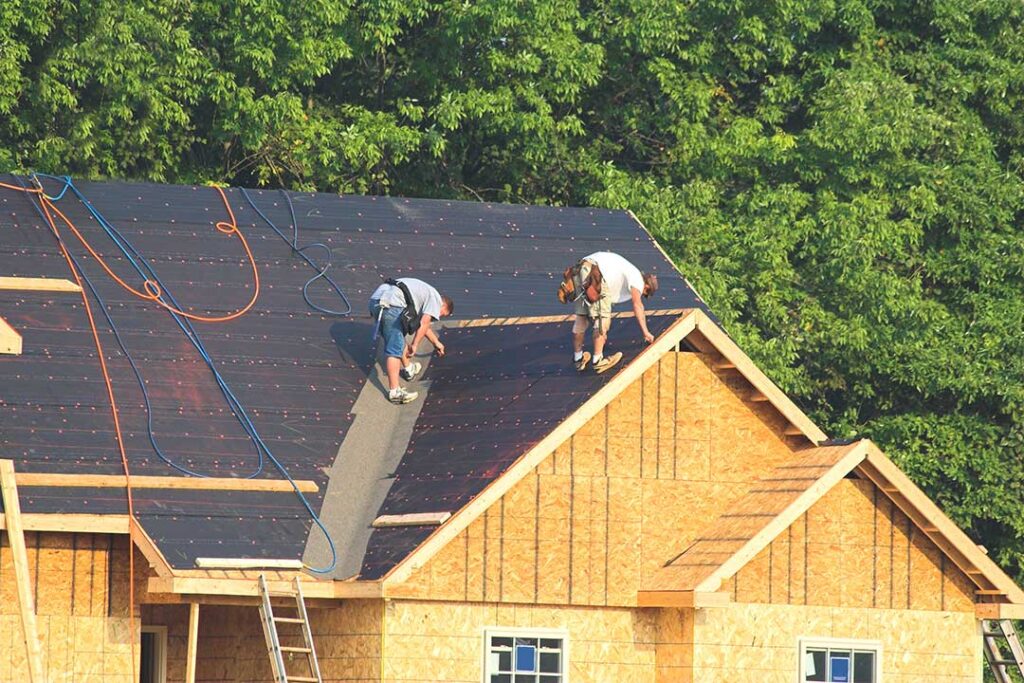
The roof of a typical Jamesville, NY home is a major factor in how efficiently the house uses energy across all four seasons. It can dramatically influence heating and cooling costs, occupant comfort, and even how long heating and cooling systems last.
A roof acts as both a barrier and a buffer between the indoors and outdoors. Its materials, color, age, and state of repair play a significant role in how well it keeps summer heat out and winter warmth in. Local households, especially those in older homes or with outdated roofing, may be losing more energy through their roofs than they realize.
Why Is Roof Energy Efficiency Especially Relevant in Jamesville?
Jamesville’s climate brings cold, snowy winters and warm, humid summers. These distinct seasons place stress on homes that lack effective insulation, ventilation, and roofing materials designed for local weather patterns.
- Winter months bring concerns about heat loss, ice dams, and attic moisture.
- In summer, radiant heat from the sun and humidity can heat up inadequately protected attics and living spaces.
Many area homes are built with steep-sloped roofs, and older houses often feature attic spaces that can be notoriously inefficient without updates. Local tree cover, snowfall, and prevailing winds also influence energy performance, sometimes in ways that aren’t obvious to homeowners.
What Are the Key Elements of an Energy-Efficient Roof?
An energy-efficient roof for Jamesville homes involves three main elements: insulation, ventilation, and material selection.
- Insulation: Adequate attic insulation slows the transfer of warm air from inside the house to the roof in winter and keeps hot attic air from seeping into living spaces in summer. Fiberglass batts, blown-in cellulose, and spray foam can all be effective if installed properly and to the recommended depth for the region.
- Ventilation: Roof and attic ventilation systems, such as ridge vents or soffit vents, allow moisture and hot air to escape. This helps prevent ice dams in winter and keeps the attic from overheating in summer, reducing the strain on air conditioning.
- Material and Color: Light-colored or reflective roofing materials deflect more summer heat, which can be impactful for sun-facing sloped roofs. Asphalt shingles are commonly used locally, but newer “cool roof” variations or metal roofs with reflective coatings are growing more common.
No single element solves every problem—true efficiency is the result of all parts working together.
Are Certain Roofing Materials Better for Efficiency?
Some roofing materials naturally offer higher energy performance for homes in Jamesville’s climate. The right choice depends on home design, budget, and whether a full roof replacement is underway.
- Asphalt Shingles: Widely used in Jamesville, basic asphalt shingles typically offer moderate insulation. Upgraded or “cool” shingles with granules designed to reflect solar energy can provide a modest boost in efficiency.
- Metal Roofing: Metal, especially when painted in lighter colors or with special reflective coatings, resists heat absorption and has a long lifespan. It can shed snow quickly, reducing roof load, and often qualifies for local utility rebates or incentives.
- Slate, Tile, or Synthetic Materials: These are less common but may appear on older or custom homes. Their energy efficiency varies widely depending on installation and whether they’re combined with good insulation and ventilation.
Keep in mind that performance depends just as much on the underlying structure and insulation as on the visible layer of roofing.
How Does Roof Age and Condition Influence Energy Loss?
Older roofs or those with missing shingles, deteriorated flashing, or warping often leak energy as much as they leak water. Even minor damage increases unwanted airflow and reduces how well insulation or vapor barriers perform.
Signs that a roof may be contributing to higher energy bills include:
- Noticeable temperature swings from floor to floor or room to room
- Ice dams or large icicles in winter, signaling poor attic or roof insulation
- Moss, algae, or persistent dampness, which may signal hidden insulation or ventilation issues
Routine visual checks—both from the ground and inside the attic—can reveal many problems.
Can Small Upgrades Make a Noticeable Difference?
Smaller fixes can yield significant energy savings, especially for homes not ready for a full reroof. Locally, common upgrades include:
- Adding additional insulation to the attic to meet modern recommendations
- Sealing around chimneys, attic hatches, and wiring penetrations to reduce air leaks
- Repairing and upgrading attic ventilation to promote better airflow through all seasons
- Replacing a few missing or damaged shingles to limit drafts and moisture entry
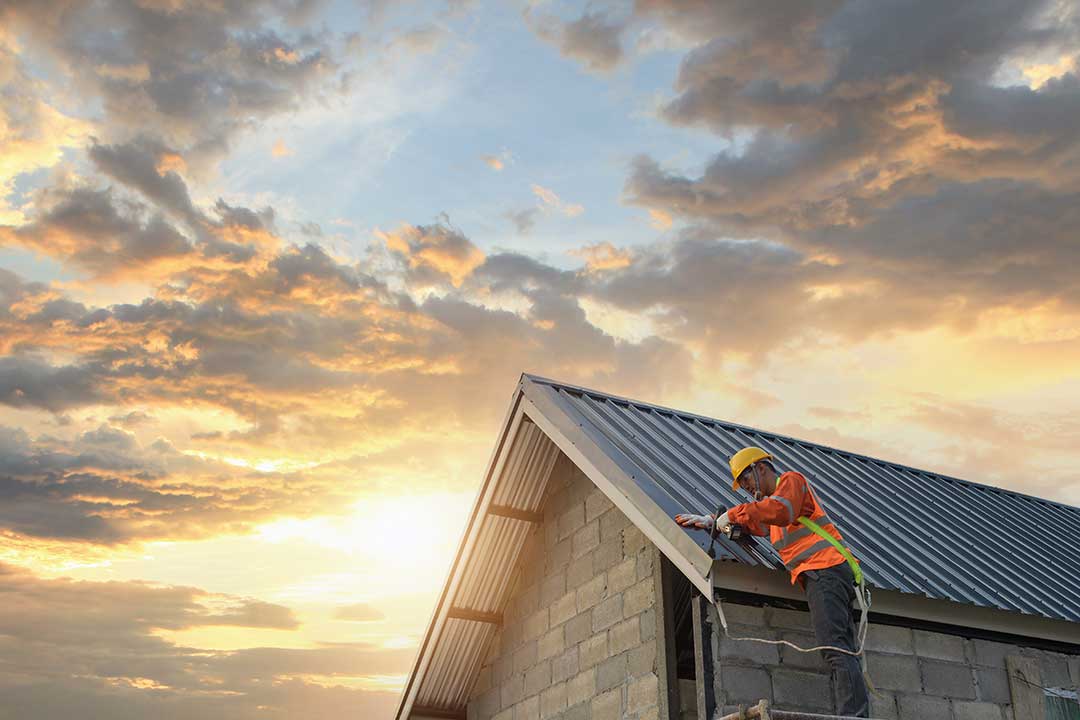
These steps are often affordable and can be performed gradually over time, helping area residents avoid larger, more costly repairs later on.
What Myths or Misconceptions Do Residents in Jamesville Have?
A few misconceptions persist locally about how energy is lost through roofs:
- Myth: “Only old roofs need upgrades.” Even relatively new roofs may have missed out on the latest in reflective shingle technology or proper attic insulation, especially in tract or production homes.
- Myth: “Ventilation is only important in summer.” Proper airflow year-round is crucial in Jamesville to reduce winter condensation and prevent attic mold.
- Myth: “Roof color doesn’t matter in northern climates.” While the effect isn’t as dramatic as in the South, reflective roofing materials can still help cut cooling costs and slow aging from sun exposure during hot, sunny days.
When Is It Necessary to Involve a Local Authority or Regulator?
For routine roof work, city permits may only be required for full replacements or structural changes. However, modifications to venting (such as adding roof penetrations or changing exterior appearance) sometimes have local building code requirements. Checking current city regulations or consulting the local code enforcement office helps households avoid problems with home sales or insurance down the line.
What Should Jamesville Homeowners Consider Before Making Efficiency Upgrades?
Before investing in major upgrades, it’s practical to:
- Assess the home’s insulation, using a tape measure—or thermal imaging tools, often borrowed through local energy programs
- Review utility bills for unexplained spikes or seasonal variations
- Walk the attic with a flashlight to check for exposed insulation, drafts, moisture, or unvented plans
Combining local building knowledge with advice from state or municipal programs on energy efficiency can help residents prioritize the most cost-effective changes for their home, climate, and budget.
